
Classic Calacatta Quartz has surged in popularity among homeowners, designers, and builders seeking the elegant look of natural stone with the durability and performance of engineered materials. Celebrated for its luxurious veining and bright white background, Classic Calacatta Quartz brings timeless style to modern interiors. In this comprehensive guide, we explore what classic calacatta quartz is, its advantages, design applications, maintenance tips, cost considerations, and how it compares to natural marble.
What Is Classic Calacatta Quartz?
Classic Calacatta Quartz is an engineered stone composed of approximately 90% natural quartz crystals bound with resins and pigments. Unlike natural marble, which is quarried as solid stone, quartz surfaces like Classic Calacatta are manufactured to deliver uniform performance with enhanced durability. The hallmark of Classic Calacatta Quartz is its striking white base and dramatic gray and gold veining, which mimics the appearance of high‑end Calacatta marble without the inherent weaknesses of natural stone.
Key Benefits of Classic Calacatta Quartz
Durability and Strength
One of the primary reasons consumers choose Classic Calacatta Quartz is its exceptional durability. Quartz is one of the hardest minerals found in nature, making Classic Calacatta Quartz surfaces highly resistant to scratches, chips, and cracks compared to natural marble or granite. This resilience makes it ideal for high‑traffic areas like kitchens and bathrooms.
Non‑Porous Surface
Unlike natural stone, Classic Calacatta Quartz has a non‑porous surface that does not require sealing. This resistance to moisture prevents liquids from penetrating the surface, which significantly reduces the risk of staining from common substances like wine, coffee, or oils. The non‑porous nature also inhibits bacterial growth, making it a hygienic choice for food preparation areas.
Aesthetic Versatility
Classic Calacatta Quartz delivers the sophisticated appearance of natural marble with consistent patterns and tones. While natural marble slabs can vary greatly from piece to piece, quartz allows for more predictable and uniform veining. This consistency makes it easier for designers to plan cohesive layouts and match slabs across larger installations.
Low Maintenance
Maintaining Classic Calacatta Quartz is straightforward. Routine cleaning with mild soap and water or a pH‑neutral cleaner is sufficient to keep the surface looking pristine. There is no need for periodic sealing, polishing, or special treatments that natural stone often requires.
Design Applications for Classic Calacatta Quartz
Kitchen Countertops
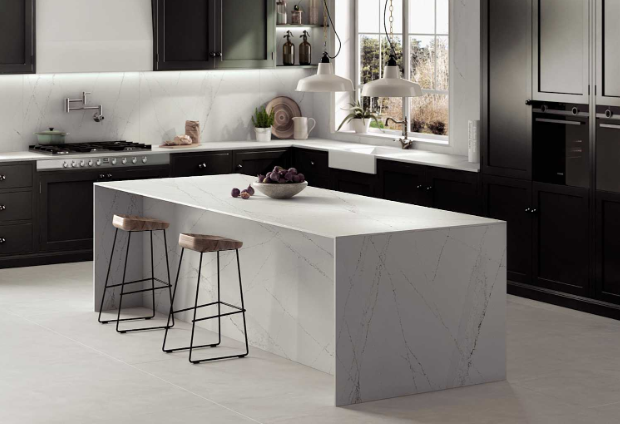
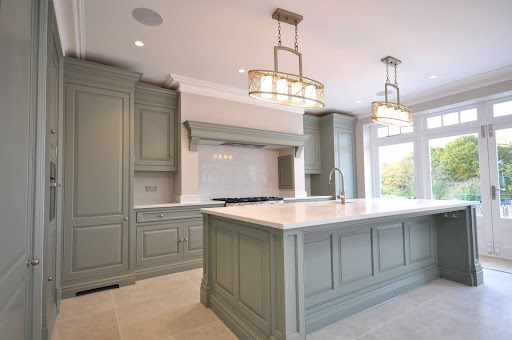
Classic Calacatta Quartz is most commonly used for kitchen countertops due to its beauty and durability. Its bright, reflective surface enhances light and makes kitchens appear more spacious. It pairs well with a variety of cabinet colors, from crisp white to deep navy and charcoal.
Bathroom Vanities and Walls
In bathrooms, Classic Calacatta Quartz creates a spa‑like atmosphere. Its non‑porous surface resists soap scum and watermarks, making it suitable for vanities, shower walls, and tub surrounds. The elegant veining adds a touch of sophistication without the maintenance concerns associated with marble.
Flooring and Backsplashes
While less common for flooring due to cost, Classic Calacatta Quartz can be used for statement floors in entryways and living spaces. As a backsplash, it provides visual continuity when paired with matching countertops, creating a seamless and luxurious look.
Classic Calacatta Quartz vs Natural Marble
Although Classic Calacatta Quartz is inspired by Calacatta marble, there are notable differences:
Durability: Quartz is less prone to chipping and scratching than marble. Marble’s softer composition makes it more susceptible to wear over time.
Porosity: Marble is porous and typically requires regular sealing to protect against stains. Classic Calacatta Quartz’s engineered surface is non‑porous and more stain resistant.
Consistency: Natural marble slabs can vary significantly in pattern and color. Classic Calacatta Quartz offers more predictable veining and overall consistency.
These distinctions make Classic Calacatta Quartz especially appealing in high‑use residential spaces where performance is as important as aesthetics.
Cost Considerations
The cost of Classic Calacatta Quartz varies based on brand, slab thickness, edge profile, and installation complexity. Generally, quartz surfaces are priced competitively with high‑end natural stone. While the upfront investment may be higher than some granite or lower‑grade marble options, the long‑term savings in maintenance and longevity often justify the expense. Installation costs should also be factored in, as professional handling ensures proper sealing of seams and secure fitting.
Care and Maintenance Tips
Maintaining Classic Calacatta Quartz is simple:
• Clean regularly with a soft cloth and mild detergent.
• Avoid harsh chemicals, bleach, or abrasive cleaners.
• Use cutting boards and trivets to protect against scratches and heat damage.
• Wipe spills promptly, particularly acidic substances like citrus or vinegar.
By following these basic guidelines, your Classic Calacatta Quartz surfaces can remain beautiful for decades.
Conclusion
Classic Calacatta Quartz combines the timeless elegance of marble with the strength and practicality of engineered stone. Its durability, non‑porous surface, and low maintenance make it a top choice for modern homes, especially in kitchens and bathrooms where both performance and aesthetics matter. For those sourcing materials, consider reputable quartz wholesalers in the UK to ensure quality products and professional support for your project. Whether you are remodeling or building new, Classic Calacatta Quartz offers a luxurious yet functional surface that elevates any space.

Write a comment ...